
What can you keep in Chapter 7 Bankruptcy in Massachusetts?
Filing Chapter 7 bankruptcy does not automatically mean losing everything you own. In fact, in most Chapter 7 cases our office handles, clients do not lose anything at all.
Bankruptcy exemptions may allow you to protect some of the assets that matter most, including your home, car, retirement savings, money in the bank, furniture, clothing, and property you use to earn a living.
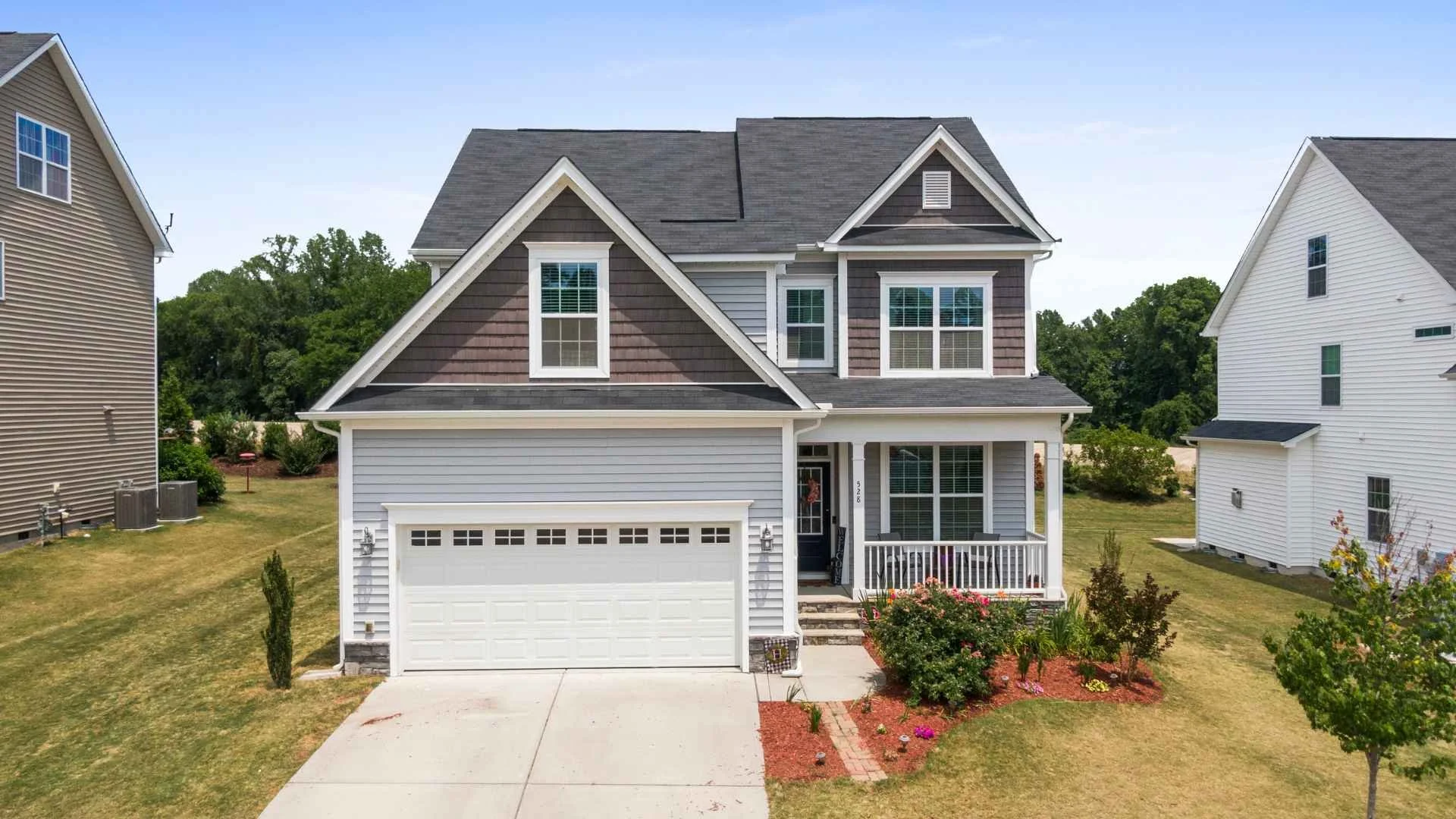
Can I keep my house in Chapter 7?
For many Massachusetts homeowners, their house is the first concern.
If the property is your home and you have owned it for more than 40 months, a Massachusetts homestead can protect up to $500,000 of equity.
For some people, including those who are disabled or over age 65, that amount can increase to $1 million and, in rare cases, even beyond that. But there is an important distinction here:
The value of your house is not the same as the equity you have in it.
For example, suppose your home is worth $750,000, but you still owe the bank $300,000:
$750,000 − $300,000 = $450,000 in equity
The relevant number in this example is $450,000, not the $750,000 market value of the house. Because $450,000 is below the $500,000 homestead exemption discussed above, that distinction can make an enormous difference.
What if you have owned the home for less than 40 months?
There can still be significant protection.
The amount discussed here is currently approximately $214,000 in equity. You may see $125,000 when researching the exemption because that is the underlying statutory figure, but the amount is indexed to inflation. That can still represent substantial protection for someone who has not owned the property for very long.
For these reasons, the Massachusetts exemptions can work exceptionally well for many homeowners.

Can I keep my car?
Massachusetts allows an exemption of $7,500 of equity in a vehicle, increasing to $15,000 for elderly or disabled individuals.
Again, the important concept is equity, not simply what your vehicle is worth.
Many people still owe substantial amounts on their vehicles. Some owe more than the vehicle is worth, meaning they may have little or no equity in the vehicle. This can be particularly important in New England, where many working people depend on cars, trucks, and SUVs for work and everyday life. Trucks and SUVs may also hold their value better than ordinary passenger cars.
The exemption is not about protecting a brand new, fully paid-off Lamborghini. It is about protecting a reasonable vehicle someone needs for everyday life.
What happens to my 401(k), IRA, Pension, or Retirement Savings?
Retirement savings are another major concern for people considering Chapter 7.
ERISA-qualified retirement plans, such as a 401(k), are bankruptcy exempt. Massachusetts also provides protections for pensions, IRAs, and other retirement accounts.
For many people, their most significant assets are their home, vehicle, and retirement savings. Understanding the protections available for those three assets alone can change the perception that filing bankruptcy necessarily means losing everything.
How much money can I keep in the bank?
Massachusetts has two separate $2,500 exemptions covering cash and money in bank accounts, and they can be used cumulatively. That means a person may be able to protect up to $5,000 in cash and bank deposits.
Our office has handled this issue directly. In one bankruptcy case, a trustee challenged a debtor's use of both exemptions, and the court upheld the debtor's right to use them together.
That practical distinction matters. Filing Chapter 7 does not necessarily mean that having several thousand dollars in a checking or savings account automatically puts that money at risk.
Will a Bankruptcy trustee take my furniture or clothing?
This is another area where the value that matters can be very different from what people expect.
Massachusetts provides a $15,000 furniture exemption. But that does not mean you can only protect furniture that originally cost $15,000. For the most part, we are talking about something closer to yard-sale value.
Consider what your furniture would actually sell for if it were removed from your home and sold. A sofa, bed, dining table, television, and other household items generally will not sell for what you originally paid at a retail store.
There are exceptions. A home filled with valuable Louis XIV antiques presents a very different situation from a typical household furnished with ordinary consumer furniture. But in our office's experience handling bankruptcy cases, we have not had a trustee seize a client's ordinary furniture or regular clothing.
Massachusetts also provides an exemption for necessary clothing.
What if I own tools or inventory for my business?
People who are self employed also have important protections. Massachusetts provides a $5,000 exemption for tools, implements, and fixtures used in a trade or business. Materials and stock, essentially business inventory, have a separate $5,000 exemption.
For someone operating as a self employed proprietor, those exemptions can potentially protect $10,000 worth of property used in the business.
What if my property is worth more than the exemption?
Massachusetts also has a wildcard exemption that can provide additional flexibility.
The wildcard begins at $1,000, and you may be able to use up to an additional $5,000 of unused exemptions from categories such as furniture, tools of the trade, and vehicles. As a practical matter, many people therefore end up with a $6,000 wildcard.
For example, suppose your vehicle has $10,000 of equity. The vehicle exemption protects $7,500, leaving:
$10,000 − $7,500 = $2,500
If you qualify for the additional wildcard and have sufficient unused exemptions, you may be able to use $2,500 of the wildcard to protect that remaining vehicle equity.
This is why simply looking at one exemption limit does not always tell the entire story.
Chapter 7 does not automatically mean starting over with nothing
For most people considering bankruptcy, the property that matters most is not unusual or extravagant. It is their home, vehicle, retirement savings, money, furniture, clothing, and the things they need to work.
Massachusetts exemptions can provide significant protection for those assets.
There are also federal bankruptcy exemptions that Massachusetts filers may choose instead. The two systems cannot be mixed, and which one makes more sense depends on what you own.
For homeowners, the Massachusetts exemptions can be particularly important. For someone who does not own a home, however, the federal exemptions can present a very different set of advantages.
TL;DR
Chapter 7 does not mean losing everything.
You may be able to keep your home, car, retirement, cash, and belongings.
What matters is often your equity or resale value, not what you originally paid.
The exemptions available to you determine what can be protected.
Not sure what you can keep?
Tell us about your situation. Complete the form below to request a consultation and learn how Chapter 7 may apply to your circumstances.
Legal Updates & Resources
We regularly share videos and educational resources to help our community understand important legal and tax developments.
Visit Our YouTube Channel




Owe more to the IRS than you can afford? Learn how tax settlements, IRS payment plans, and bankruptcy may help resolve serious tax debt.