
Moved and missed an Immigration Notice? Why an old address can become a serious problem
Moving to a new home can seem completely unrelated to an immigration case. But when immigration authorities still have an old address on file, something as ordinary as missing a piece of mail can eventually become a much bigger problem.
A Notice to Appear can be mailed to an address previously provided to immigration authorities. If the person has moved, never sees the notice, and consequently misses the hearing, the case may still move forward.
The result can be an in absentia removal order, a removal order entered when the person does not appear in immigration court.
What makes that especially serious is that the person may not discover the problem immediately. In some cases, the consequences can surface years later, just when that person believes they finally have a path toward lawful permanent residence.
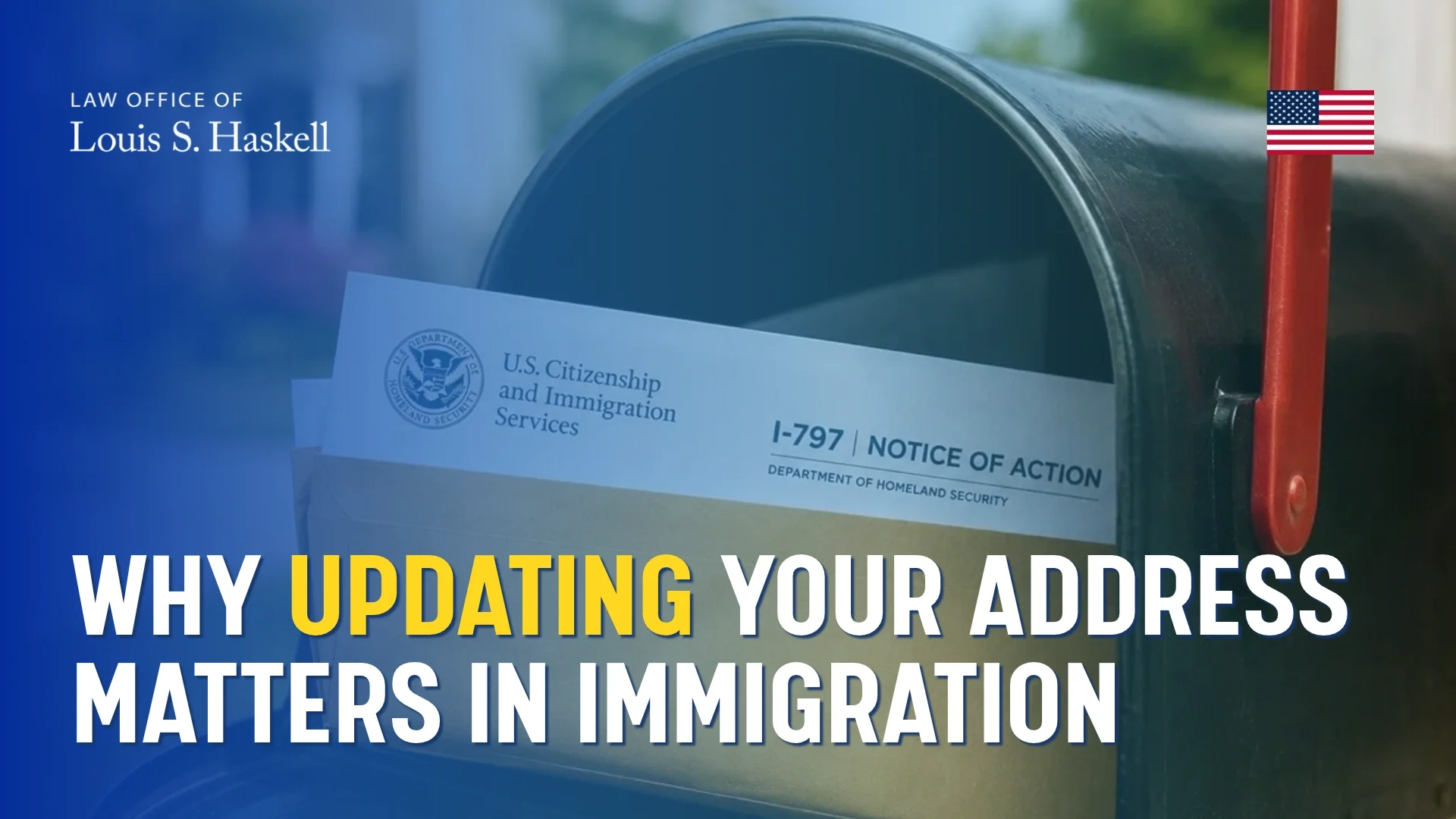
Moving does not necessarily stop an Immigration Case
A Notice to Appear begins deportation proceedings. When a person has already provided an address to immigration authorities, that address can become extremely important. Mailing the notice to the address on file can constitute valid service even when the person has since moved. That creates a dangerous situation.
The person may be living somewhere else and may never physically see the notice. From their perspective, nothing appears to be happening.
The immigration case, however, may tell a very different story.
If a hearing is scheduled and the person does not appear, the court can proceed without them and enter an in absentia removal order.
The problem may stay hidden for years
This is where an old address can turn into a long-term immigration problem.
Consider a person who applied for asylum but was unsuccessful. Afterward, the person moved. Deportation proceedings were later initiated, but the Notice to Appear was sent to the old address. The person did not attend the hearing, and a removal order was entered.
For some time, that order may not have affected everyday life in an obvious way. But years later, the person's circumstances changed: the person married a U.S. citizen and applied for a green card.
That is when the old immigration case became impossible to ignore. The adjustment of status application was denied because a removal order was already in place.
A notice sent years earlier to an old address had become an obstacle to an immigration benefit years later.
What does “In Absentia” mean?
An in absentia removal order is entered when someone does not appear for an immigration hearing, and the case proceeds without them.
The important point is that a person's absence does not necessarily stop the court from acting.
Someone who moved and did not receive the notice may assume that no hearing occurred because they never knew about one. Meanwhile, the immigration system may show that proceedings took place and that a removal order was entered.
That gap between what the person believes happened and what actually exists in the immigration record can remain unnoticed until another application brings the old case back to the surface.
Why “Going off the grid” can backfire
Fear of immigration enforcement can make avoiding government contact seem like the safer choice. But disappearing from government systems does not necessarily make an existing immigration issue disappear with it.
If immigration authorities already have an address, notices may continue to be sent there. Moving without ensuring that the government has current information can mean missing correspondence that has serious consequences.
The same concern can extend to taxes.
Someone may avoid obtaining an ITIN or filing taxes because they do not want to provide information to the government. But tax compliance can matter when good moral character becomes relevant to an immigration benefit.
Trying to avoid one perceived risk can therefore create another.
An old immigration problem can affect a new opportunity
This is what makes missed immigration notices particularly important. A person may eventually marry a U.S. citizen, become eligible for another immigration benefit, or otherwise find themselves in a much stronger position than they were years earlier.
But a prior removal order does not simply disappear because circumstances improve. That old case can become relevant again when the person applies for a green card or another benefit.
Keeping track of immigration proceedings and maintaining accurate contact information is therefore not just about receiving today's mail. It can affect immigration opportunities years into the future. Moving to a new address may feel routine, but in an immigration case, an outdated address can have lasting consequences.
A Notice to Appear may be mailed to an address previously provided to immigration authorities. If the person misses the notice and fails to attend the hearing, the court can enter an in absentia removal order.
The person may not discover that order until much later—possibly when applying for a green card or another immigration benefit.
Avoiding government contact does not necessarily eliminate immigration risk. Sometimes, it allows an existing problem to continue unnoticed.
Concerned About a Previous Immigration Case?
The Law Office of Louis S. Haskell assists clients with immigration matters, including questions involving Notices to Appear, previous immigration proceedings, removal orders, and applications for immigration benefits.
If you are unsure what happened in a previous immigration case or are concerned about notices sent to an old address, contact the office to schedule a consultation by calling or texting (978) 459-8359
This article is for informational purposes only and does not constitute legal advice. Immigration consequences depend on individual circumstances.
TL;DR
Immigration notices may still be mailed to an address previously provided to the government.
Missing a hearing can lead to an in absentia removal order.
The consequences may not become apparent until years later.
Not sure what your options are?
Tell us about your situation. Complete the form below to request a consultation and discuss which immigration options may be available to you.



An immigration notice sent to an old address can lead to a missed hearing and a removal order that may affect a future adjustment of status.