
The Lowell Landlord’s Tax Guide: Repairs, Recapture, and the “Time Bomb” of Cheap Tax Prep
Lowell is a city of landlords. From triple-deckers in the Highlands to multi-families in Centralville, rental property is one of the main ways families here build long-term wealth.
But rental property taxes are not “basic tax prep.”
And the biggest danger I see is this:
a preparer who doesn’t understand rental rules can accidentally create a future IRS problem—without you knowing it.
I’m a Tax Attorney and Enrolled Agent in Lowell, and here are the four “silent mistakes” that cost landlords the most.
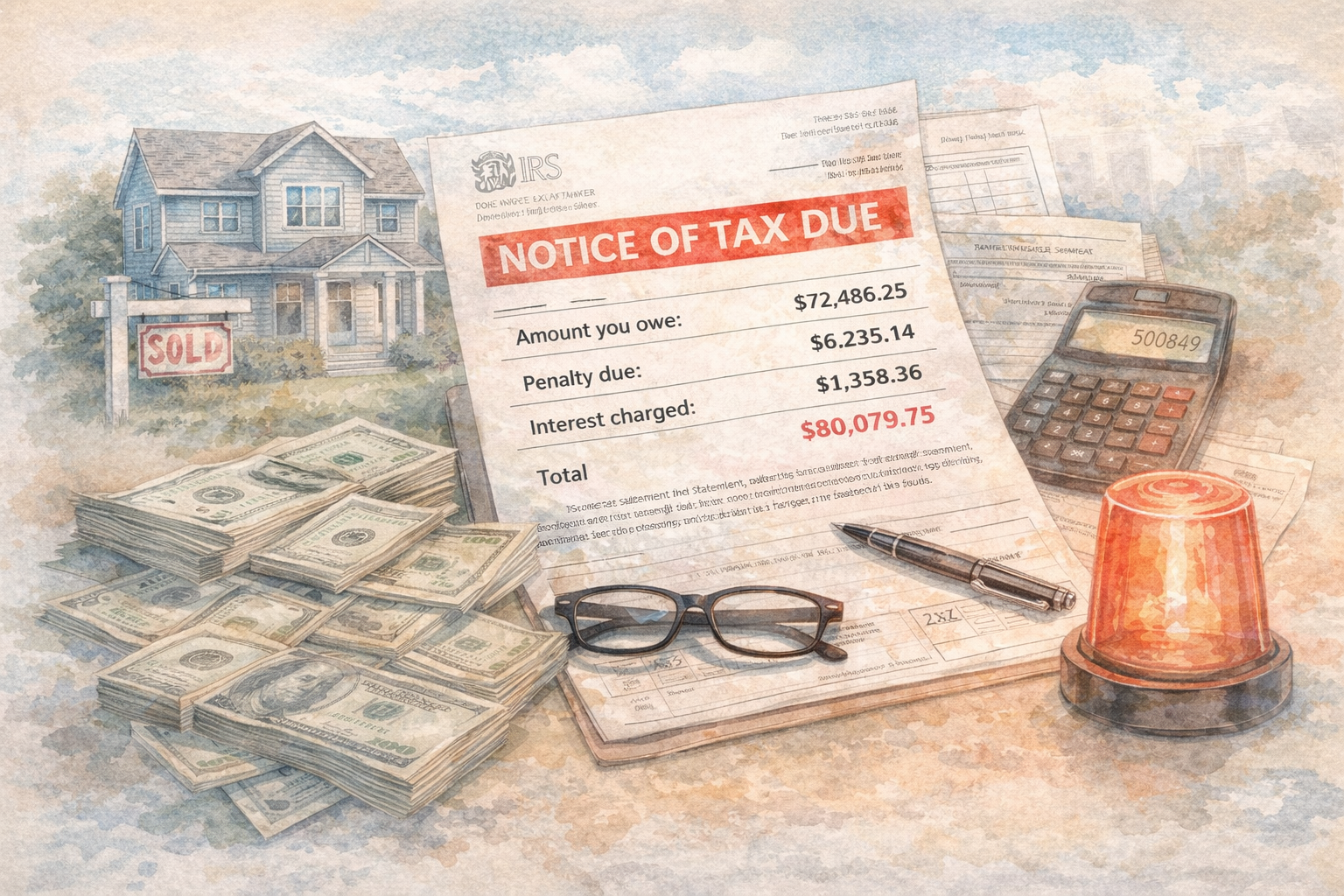
The “Six-Figure Letter” After a Home Sale
The mistake:
A homeowner sells a property and the sale is either:
left off the tax return, or
reported incorrectly.
Why it matters:
If you lived in the home 2 out of the last 5 years, the law (Section 121) may allow a capital gains exclusion:
$250,000 (single)
$500,000 (married)
But if it’s not reported correctly, the IRS computer may treat the entire sale as taxable.
What it looks like:
A scary IRS letter that says you owe tens of thousands (or more) in tax, penalties, and interest.
The fix:
This is usually fixable—but it’s stressful, and completely avoidable with proper reporting.
✅ Takeaway: If you sold a home (especially one that was ever a rental), make sure your preparer understands Section 121 and how to report the sale correctly.
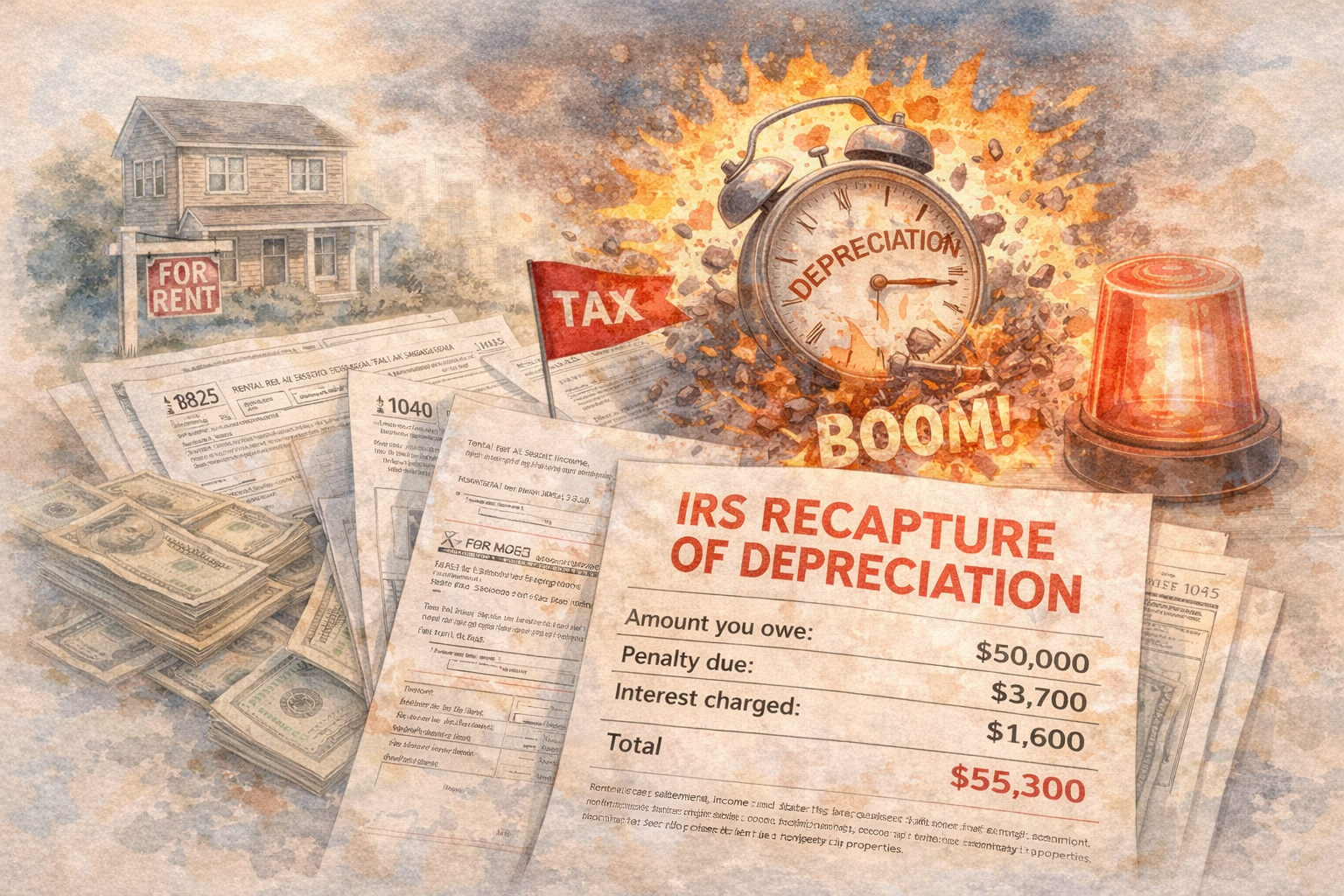
2) The Depreciation “Time Bomb”
This is the one that hurts landlords the most.
The mistake:
A preparer skips depreciation because it’s “complicated.”
They don’t want to:
allocate land vs building value
account for closing costs properly
classify improvements vs repairs correctly
So they simply… don’t depreciate.
Why it matters:
The tax code allows the IRS to recapture depreciation that was “allowed or allowable.”
Meaning:
When you sell, the IRS taxes you on depreciation whether you claimed it or not.
So if depreciation was skipped:
You lose years of deductions
You still pay tax as if you took them
And here’s the painful part:
you can generally only amend the last three years to recover missed deductions.
✅ Takeaway: Depreciation isn’t optional. If your rental has never been depreciated correctly, you may be sitting on a hidden tax problem.
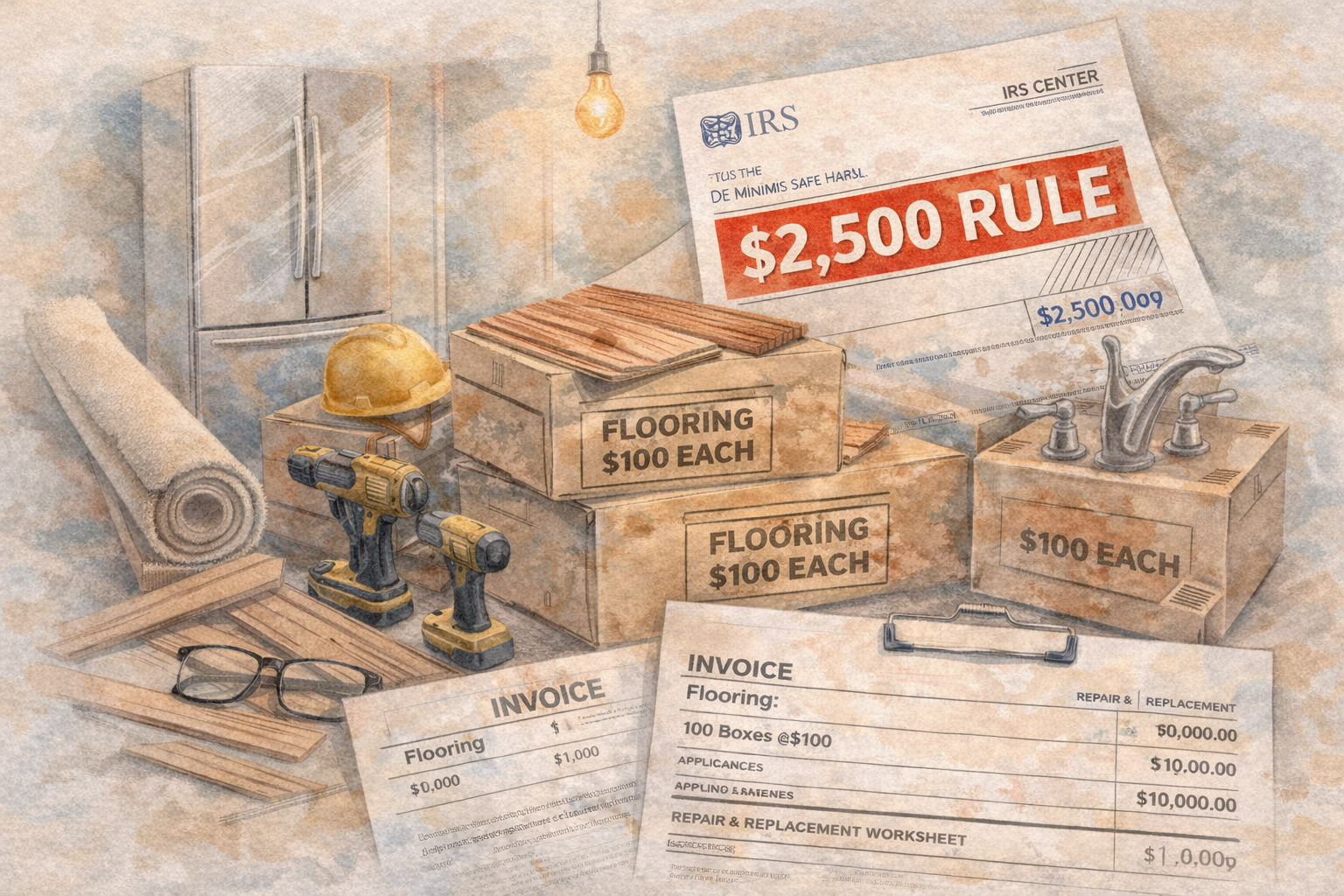
3) The Repair Secret: The $2,500 Rule
Landlords do this every year: a unit turns over, and you spend real money getting it ready.
The problem:
The IRS often wants improvements depreciated over 27.5 years, which produces a tiny deduction each year.
The tool:
The De Minimis Safe Harbor (Treasury Reg. 1.263(a)-1(f))
This often allows you to expense individual items $2,500 or less immediately—if it’s handled correctly.
The strategy:
Don’t accept invoices that are bundled into one giant line item.
Instead of: “Flooring: $10,000”
Ask for: “100 boxes of flooring @ $100/box”
Why this matters:
One $10,000 item → depreciated
Many small items under $2,500 → may be deductible now
✅ Takeaway: The same renovation can produce totally different tax results depending on how it’s invoiced and categorized.

4) The Economist’s View: Don’t Go to Zero
Before law, I studied economics.
So when someone tells me:
“I paid zero taxes this year—I crushed it,”
I don’t automatically celebrate.
Sometimes “zero tax” is smart.
Other times it means you burned deductions at 10% or 12% that could have been worth 24% or 32% later.
For growing businesses and landlords, timing matters.
✅ Takeaway: Your goal isn’t a “perfect looking” return. Your goal is a smart return that keeps more wealth in your pocket over time.